Concerns
Pigmentation, Rosacea & Broken Capillaries
Reduce redness, fade pigmentation, and restore a more even complexion with advanced medical aesthetic technologies designed to target vascular and pigment-related skin concerns.
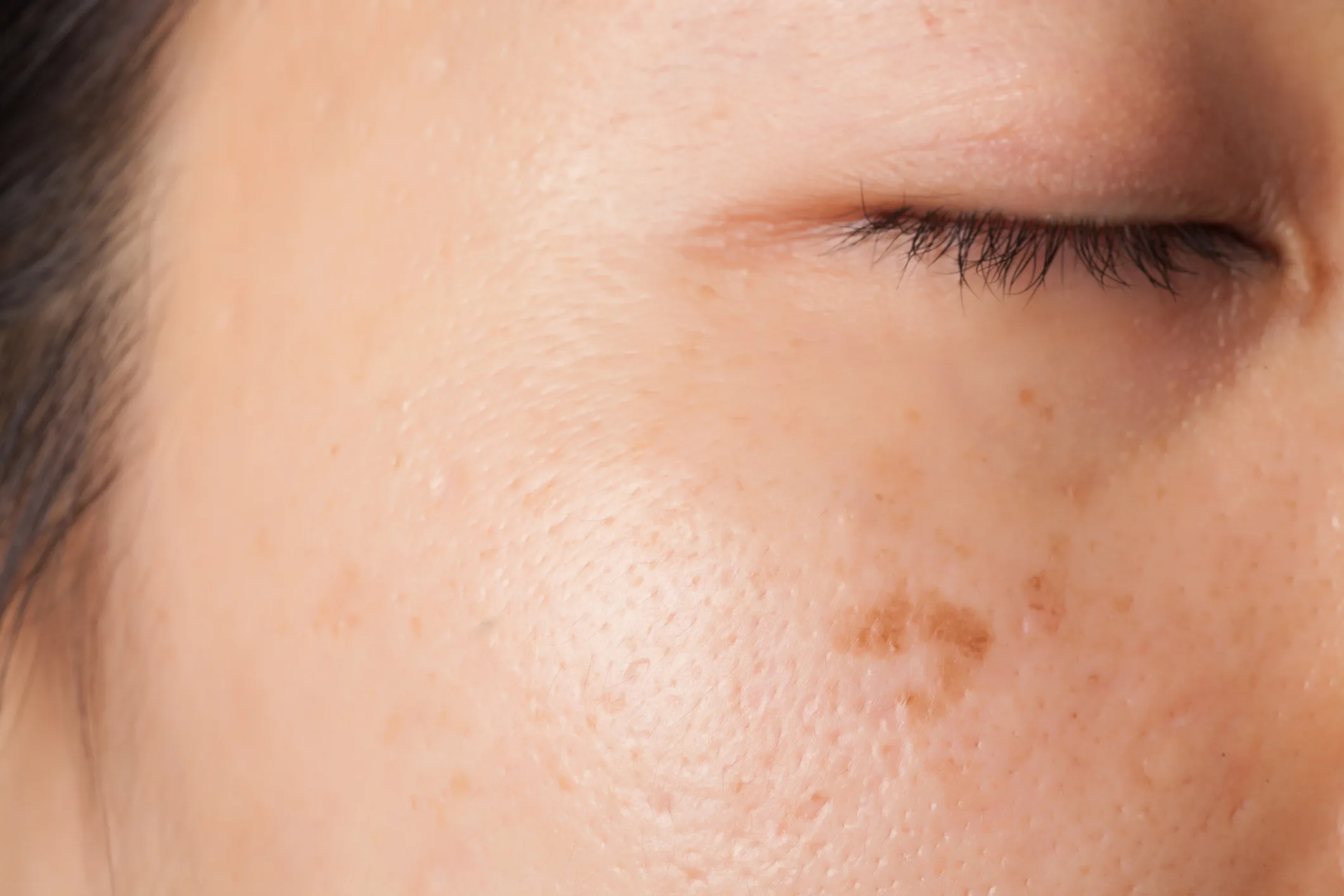
Pigmentation, rosacea, and broken capillaries are common skin concerns that affect the evenness and radiance of the complexion. They may appear as areas of darker pigmentation, diffuse redness, or small visible blood vessels on the surface of the skin.
These conditions can be temporary or more persistent, depending on skin sensitivity, sun exposure, genetic predisposition, and certain inflammatory factors. Although they are generally not harmful to your health, they can affect the appearance of the skin and its overall balance.
What Are Pigmentation, Rosacea & Broken Capillaries?
Understanding skin imbalances
Factors Behind Redness and Pigmentation
Pigmentary and vascular irregularities can be caused by a variety of internal and external factors. Prolonged sun exposure, hormonal fluctuations, skin sensitivity, and the natural aging process all play an important role in the development of dark spots and diffuse redness.
In the case of rosacea and broken capillaries, fragile blood vessels and increased skin reactivity can lead to persistent or intermittent redness.
These concerns may be aggravated by triggers such as stress, temperature changes, or certain foods.
Solutions & Treatments for Pigmentation, Rosacea & Broken Capillaries
How We Treat Pigmentation and Redness
Chemical Peel
Chemical peels promote skin renewal by removing the superficial layers where pigmentation is concentrated. They help improve the skin’s radiance and reduce uneven pigmentation. They may also help reduce redness associated with rosacea by promoting healthier skin renewal and improving overall skin quality.
Microneedling
Microneedling stimulates skin regeneration and improves overall skin quality. It helps reduce the appearance of pigmentation and promotes a more even complexion. When used appropriately, it can also help strengthen the skin barrier and support the stability of small blood vessels.
Exosomes
Intense pulsed light (IPL)
Intense pulsed light (IPL) targets pigmentation and small dilated blood vessels using high-intensity light pulses. The energy is absorbed by melanin and hemoglobin, helping to gradually reduce dark spots and redness. The treated imperfections are then naturally eliminated by the body, resulting in a more even complexion.
FAQ
Can redness disappear completely?
Do pigmentation spots come back after treatment?
How many sessions are needed?
The number of sessions depends on the skin type and the condition being treated. In general, optimal results are achieved progressively, with protocols varying depending on the technology used: approximately 6 to 8 treatments for chemical peels, 5 to 8 for microneedling, and 3 to 5 for intense pulsed light (IPL).
A personalized evaluation helps determine the most appropriate treatment plan.
Are the treatments painful?
Treatments are generally well tolerated. Chemical peels are very mild, microneedling may cause moderate discomfort, while intense pulsed light (IPL) treatments can feel slightly more intense but remain controlled and safe.
Is there any downtime?
Yes, but it is usually short. Chemical peels require approximately a few hours of recovery, microneedling around one day, and intense pulsed light (IPL) treatments for around 24 hours, with mild and temporary side effects.
Ready to rediscover
a more even complexion?
Receive Our Tips and Updates
Be among the first to discover our new treatments, beauty tips, and information about the services offered at the clinic.